Winter snowstorms can place unexpected stress on commercial buildings. Heavy snow, ice, freezing temperatures, and power disruptions can affect more than just roofs and parking lots—they can impact critical safety systems that businesses rely on every day.
For commercial property owners and managers, taking the right steps after a snowstorm is essential to maintaining safety, compliance, and uninterrupted operations.
Start With Life-Safety Systems
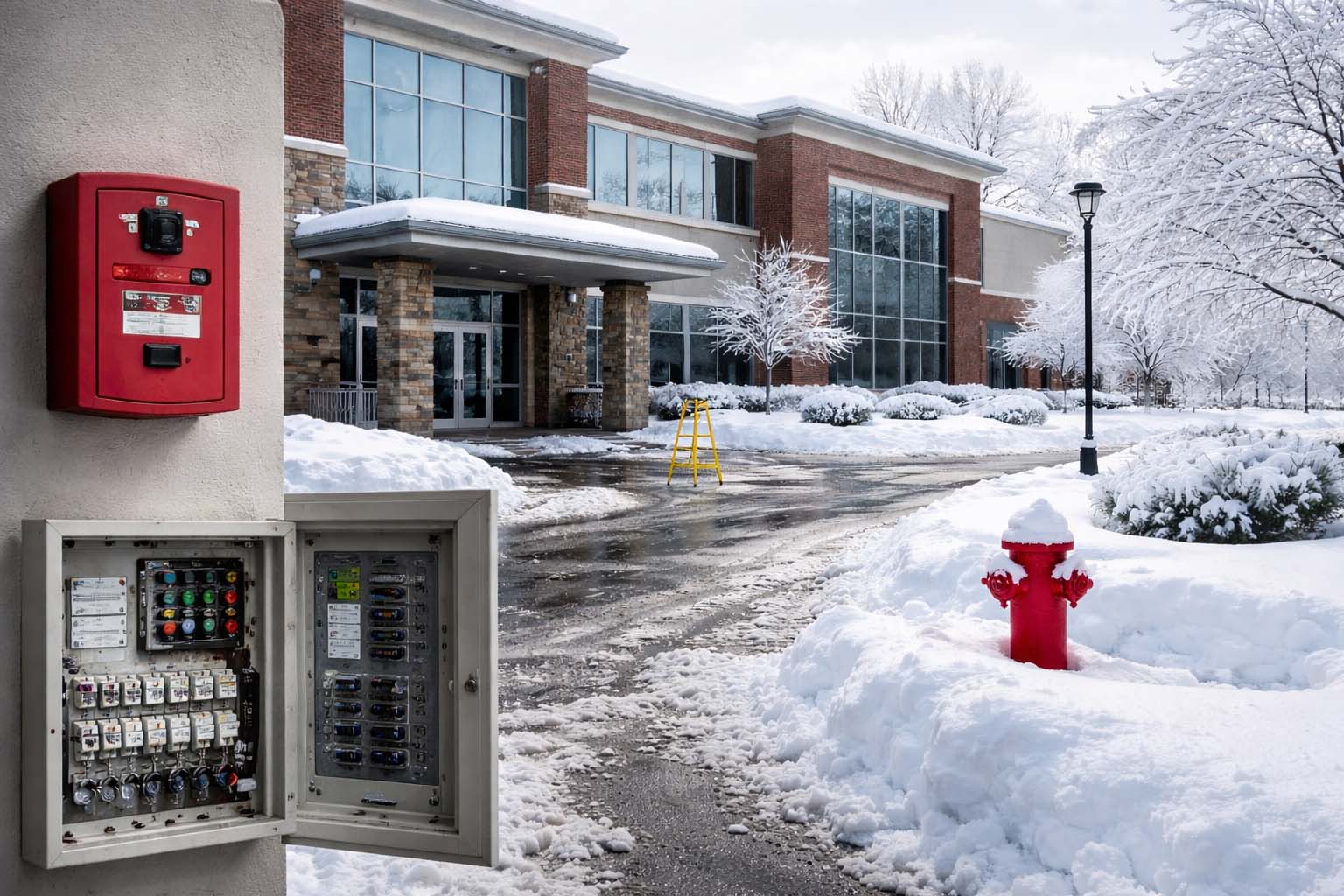
After a major snow event, commercial fire alarm systems should be reviewed for any signs of trouble. Storm-related issues may include power fluctuations, battery drain, moisture exposure, or communication failures.
Key items to verify:
-
Fire alarm control panel status
-
Active trouble or supervisory signals
-
Battery condition and charging status
-
Monitoring and signal transmission
Even minor faults can compromise system reliability if left unresolved.
Inspect Electrical Infrastructure
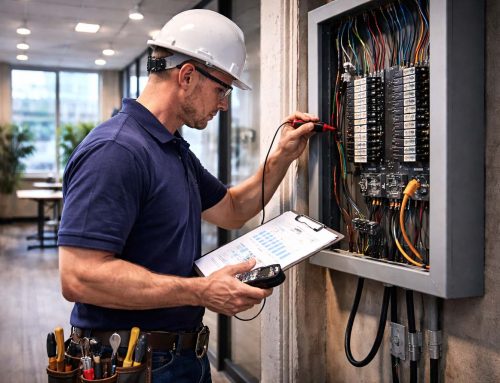
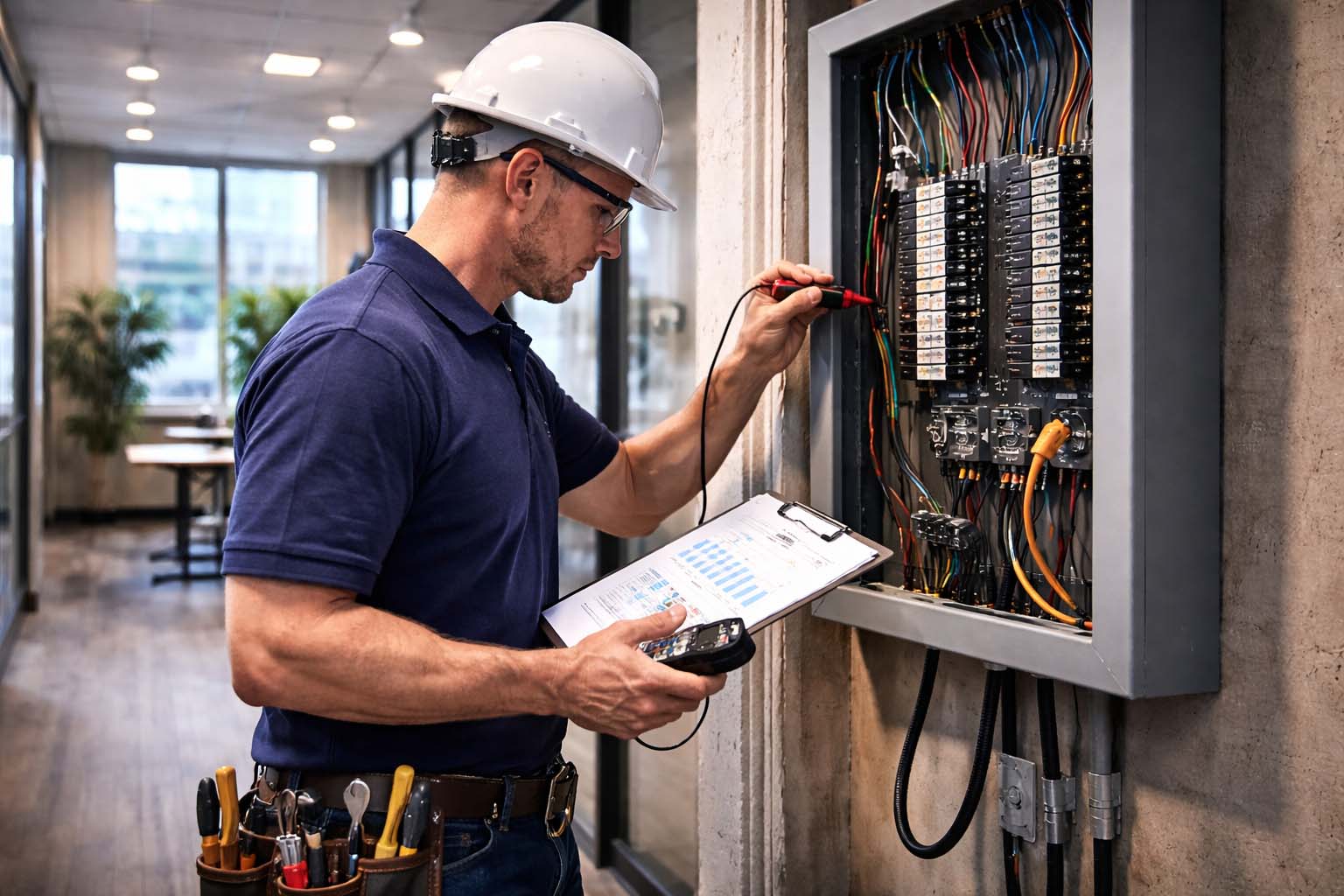
Snow and ice can impact electrical systems through moisture infiltration, freezing, and physical damage. Commercial buildings should inspect:
-
Main electrical panels and subpanels
-
Service entrances and exterior equipment
-
Conduit and raceways exposed to weather
-
Backup generators and transfer switches
Addressing issues early helps reduce fire risk and unplanned outages.
Confirm Emergency Lighting and Egress
Emergency lighting and exit signage are critical during winter weather when power interruptions are more likely.
After a snowstorm:
-
Test emergency lights and exit signs
-
Ensure backup power is operational
-
Verify exit paths are clear and illuminated
Safe egress is essential for both compliance and occupant safety.
Evaluate Roofs and Penetrations
Heavy snow loads and freeze-thaw cycles can cause hidden damage. Roof inspections should focus on:
-
Leaks or water intrusion
-
Damaged seals around penetrations
-
Exposed cabling or equipment
Moisture entering a building can affect fire alarm devices, wiring, and electrical components long after the storm has passed.
Restore Clear Access for Emergency Services
Snow accumulation can block critical access points, increasing risk and liability.
Be sure to:
-
Clear fire lanes and hydrants
-
Remove snow from exits and stairwells
-
Address ice hazards along evacuation routes
Maintaining access is often required by local fire codes.
Schedule Professional System Checks
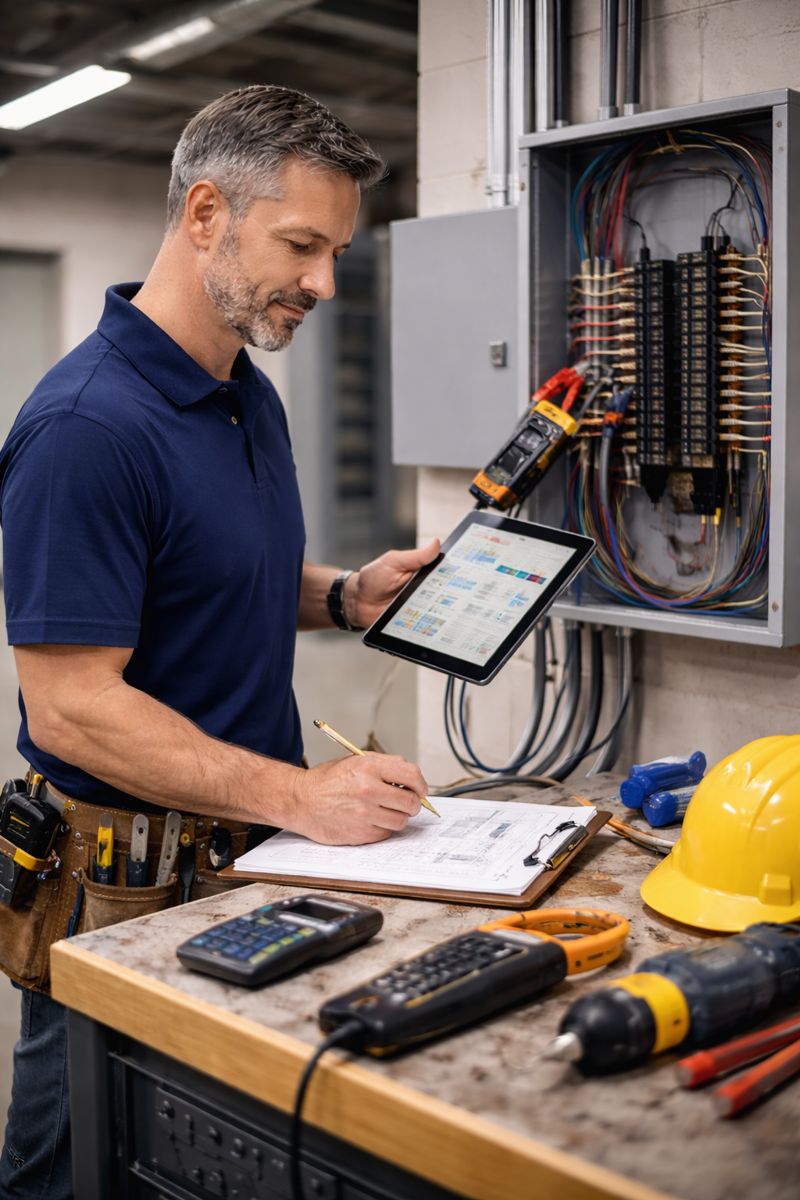
Some storm-related issues are not visible without testing equipment or system access. Licensed professionals can identify hidden faults, ensure code compliance, and document system condition following severe weather.
Proactive inspections help prevent small problems from becoming major disruptions.
Final Thoughts
Snowstorms don’t just create short-term inconvenience—they can introduce long-term safety risks if commercial building systems aren’t properly checked afterward.
By inspecting fire alarm systems, electrical infrastructure, emergency lighting, and building access points after winter storms, commercial businesses can protect occupants, reduce liability, and maintain safe operations throughout the winter season.
A post-storm review is a simple step that delivers long-term peace of mind.